
Renovation Tools are easiest to choose when the project scope is narrow, the safety limits are clear, and the purchase decision is tied to repeated use. A small-scale renovation does not require a contractor-grade shop in the garage. It usually requires accurate measuring, basic hand tools, a few reliable power tools, protective gear, and the discipline to rent or hire out work that carries higher risk.
For buyers and homeowners, tool spending should be treated like any other ownership cost: useful, but not open-ended. A first-time owner coming out of closing may have repairs, moving costs, insurance changes, and furnishing expenses competing for cash. Buying tools before defining the work can turn a modest project into an expensive collection of equipment that sits unused.
Start With Scope Before Buying Gear
Separate Cosmetic Work From High-Risk Work
Small-scale renovations often include paint, trim, closet storage, shelving, cabinet hardware, minor drywall patching, simple flooring repairs, and outdoor touch-ups. Those projects still require care, but they do not carry the same risk profile as electrical panel work, gas lines, structural framing, roof work, major plumbing, or any job involving suspected asbestos or lead hazards.
A safe plan starts by deciding what belongs in a homeowner toolkit and what belongs with a licensed professional. Protective equipment and the right tool do not turn a high-risk job into a safe weekend project. If a task may affect structural support, life-safety systems, utility connections, moisture control, or required permits, stop before starting and get qualified help.
Match Tool Choices To Project Frequency
A common mistake is buying for the most ambitious imagined project rather than the work that will actually happen. If the next six months involve installing shelves, replacing cabinet pulls, hanging curtain rods, adjusting doors, and patching walls, a compact drill, level, stud finder, measuring tools, clamps, utility knife, and hand tools may matter more than a large saw.
This is where a written project list helps. Write down the next three to five jobs, identify the tasks inside each job, and mark the tools used more than once. The repeated items form the core kit. The one-time items are candidates for renting, borrowing from a tool library, or leaving to a pro. For a deeper screening process before purchasing, see these DIY tool selection criteria for homeowners.
Renovation Tools That Deserve Priority
A Renovation Tools Starter Kit For Most Homes
The first layer should be measuring, layout, fastening, cutting, and safety. This Old House lists common building and remodeling basics such as hammers, levels, utility knives, combination squares, wrench sets, chisels, tape measures, and related hand tools in its tool overview, which is a useful reminder that basic accuracy often comes before specialized equipment This Old House tool overview.
- Measuring and layout: tape measure, 4-foot level, torpedo level, combination square, pencils, and painter’s tape for layout marking.
- Basic hand tools: hammer, screwdrivers, adjustable wrench, pliers, pry bar, utility knife, putty knife, nail set, and small clamp set.
- Core power tools: cordless drill/driver, bit set, and, for owners who will use it often, an oscillating multi-tool or compact saw appropriate to the material.
- Project support: drop cloths, work light, extension cord rated for the tool being used, storage bins, and a small parts organizer.
- Safety gear: eye protection, hearing protection, work gloves, dust control supplies, and respiratory protection matched to the hazard and product instructions.
The best Renovation Tools choices are not always the largest or most expensive. In many small projects, a straight cut, level shelf, square corner, and clean fastener placement determine whether the finished work looks intentional. Measuring and layout tools deserve a real share of the budget because they reduce rework.
Storage Projects Are A Practical Test Case
Storage is a useful example because it links buyer preferences with practical work. In 2025, Fixr reported that 94% of home renovation experts ranked thoughtfully designed storage spaces as the top priority for homebuyers Fixr remodeling trends. That does not mean every owner should build custom cabinetry. It does mean closet improvements, shelving, garage organization, pantry updates, and cabinet hardware can be rational small projects when they fit the home and budget.
Those jobs tend to reward a compact, accurate kit: drill/driver, level, stud finder, tape measure, square, clamps, and appropriate anchors selected for the wall type and load. If the project involves uncertain wall conditions, unusually heavy loads, or built-ins tied into electrical or plumbing locations, pause and consult a qualified contractor rather than guessing behind finished surfaces.
Buy, Rent, Or Borrow With Cost Control
Use Ownership Only Where Repetition Supports It
Tool ownership makes sense when the item is safe for the homeowner to use, needed often, and easy to store and maintain. A drill/driver, level, tape measure, screwdrivers, utility knife, and basic pliers usually clear that bar for many households. Large saws, heavy demolition equipment, tile saws, masonry equipment, and specialty finishing tools may not.
For small-scale renovations, Renovation Tools should earn their storage space. If a tool is needed for one narrow project, the more conservative move is to price rental, delivery, accessories, and the cost of learning curve before buying. Rental can still be a poor choice if the homeowner lacks the skill, safe workspace, or protective equipment for the task. In that case, paying a qualified tradesperson may be the safer cost.
| Decision | Better Fit | Reason To Pause |
|---|---|---|
| Buy | Frequent light repairs and repeat projects | Do not buy if storage, safety, or maintenance is unclear |
| Rent | One-time tools for low-risk work | Rental does not replace training or hazard review |
| Hire A Pro | Electrical, gas, structural, roofing, major plumbing, or hazardous materials | Permits, code issues, and injury risk can outweigh savings |
Standardize Where It Reduces Waste
Cordless tools can become more expensive than expected when every purchase brings another charger and battery type. A practical approach is to choose one battery platform for the tools used most often, then avoid expanding beyond it unless a project clearly justifies the cost. This is not about brand loyalty. It is about fewer batteries to track, fewer chargers on the shelf, and less confusion during a project.
Storage also matters. Frequently used hand tools should be easy to reach, dry, and grouped by task. Small parts such as screws, anchors, bits, blades, and washers should be labeled so a simple repair does not trigger another store run. Owners who manage primary homes, vacation properties, or short-term stays may also find related upkeep ideas through Weekender Villas, where storage and maintenance planning often affect day-to-day property use.
Safety Gear And Project Boundaries
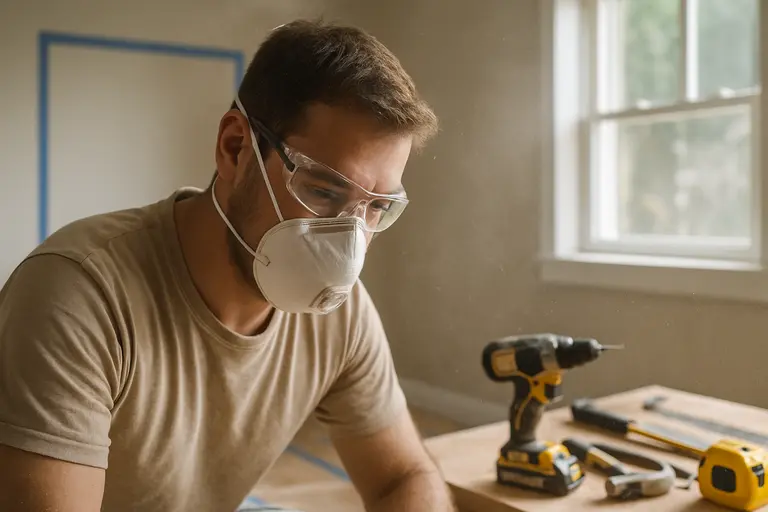
Protective Gear Comes Before Power
A tool budget that skips safety gear is not complete. Eye protection is basic for cutting, drilling, sanding, scraping, and striking work. Hearing protection matters around many power tools. Gloves can reduce minor cuts and abrasions, though they must be compatible with the tool and task. Dust control and respiratory protection deserve special caution during drywall sanding, demolition, old paint disturbance, insulation work, or any situation where the material is unknown.
Product labels, manufacturer manuals, and local requirements should guide protective choices. If a project may involve asbestos, lead-based paint, mold, or other hazardous material, do not test removal methods by trial and error. Bring in a qualified professional who can assess the risk and handle containment or abatement under the applicable rules.
Workspace Conditions Affect Tool Risk
The same tool can be manageable in one setting and unsafe in another. Poor lighting, wet surfaces, unstable work supports, clutter, children or pets in the work area, and fatigue all raise risk. So does working above comfortable reach or trying to hold material by hand while cutting or drilling. A safer small project often starts with a cleaner workspace and better support, not a faster tool.
Homeowners should also read manuals before use and avoid removing guards, bypassing safety features, or using blades, bits, batteries, or accessories that are not intended for the tool. If a task requires improvised support, unusual force, or repeated adjustments to make the tool do something it was not designed to do, the safer decision is to stop and reassess.
Renovation Tools For Small-Scale Renovations
Keep The Kit Useful Over Time
A practical kit grows slowly. Start with accurate measuring, basic fastening, safe cutting, and protective gear. Add power tools only when the next projects justify them. Keep receipts, manuals, spare parts, and battery information together so ownership remains manageable after the first project is complete.
Treat Renovation Tools as part of a broader renovation plan, not as a shopping list. The right kit helps with repeatable, low-risk improvements, especially storage, trim, hardware, and light repairs. The wrong kit encourages owners to take on work that should be evaluated by licensed trades. Small-scale renovation is most successful when the tool plan protects the budget, the property, and the people doing the work.