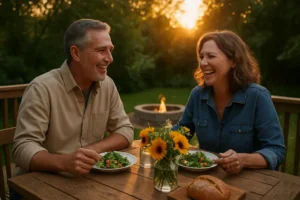
A backyard retreat is becoming less of a design slogan and more of a practical homeownership choice. Many owners are treating the yard as usable living space for rest, meals, reading, and quiet time, not just as grass to mow or a place to store patio furniture.
That shift matters because outdoor projects can become expensive quickly. Seating, lighting, planting, privacy, grading, drainage, and contractor labor all affect the real cost. For homeowners preparing to move, stay put, or slowly improve a property, the safer question is not whether the yard looks impressive. It is whether the work supports daily use without creating maintenance, safety, or budget problems later.
Why The Backyard Retreat Is Moving Past Resale
Comfort Is Beating Listing Logic
The clearest signal from 2026 outdoor remodeling data is that homeowners are designing for use, not just for a future buyer. In the 2026 U.S. Houzz Outdoor Trends Study, based on a survey of about 1,191 homeowners and published on June 2, 2026, 83% of homeowners doing outdoor or exterior renovations included lounge or seating areas, and 71% included sofas or lounge chairs according to the Houzz study.
That helps explain why the backyard retreat idea has gained traction. A yard set up with a chair, shade, side table, and lighting can function more like an informal room. The improvement is not only visual. It changes how often the space can be used and whether someone can comfortably sit outside for 20 minutes after work, read on a weekend morning, or have a simple meal outdoors.
Resale can still be part of the discussion, but it should not be treated as a precise payback calculation. Outdoor preferences vary by climate, lot size, neighborhood, buyer age, and maintenance expectations. A project that improves one household’s routine may not produce the same value response in another market.
Homeowners Are Reframing The Yard
Renaming a backyard as a retreat is not just word choice. It reflects a change in standards. A traditional yard may be judged by lawn condition, fence condition, and curb appeal from the back door. A retreat is judged by comfort, privacy, shade, easy access, safe walking surfaces, and how much upkeep the owner can realistically manage.
This is especially relevant after a move. New owners often inherit outdoor spaces planned for someone else’s habits. Before spending heavily, it helps to live with the property through different weather conditions and note sun exposure, soggy areas, privacy gaps, noise, and how the yard connects to the kitchen or main living area.
What The 2026 Data Says About Outdoor Living
Daily Use Requires More Than Furniture
Outdoor living works best when the basic pieces support actual routines. The same Houzz study reported that 66% of renovated outdoor lounge areas included lighting, while 55% included coffee or side tables. Those details are practical. Lighting extends safe use after daylight fades, and tables make the space more useful for drinks, books, meals, or a laptop.
Still, lighting should be approached carefully. Plug-in fixtures, low-voltage systems, and hardwired installations carry different risks. Homeowners should follow manufacturer instructions, use outdoor-rated products, and hire a qualified electrician for hardwired work or any project involving new circuits. Water, weather, and electricity are a poor place to experiment.
Gardening also remains part of the bigger yard-use story. The National Gardening Association’s 2023 survey, cited by the Associated Press, found that 80% of U.S. households did lawn or gardening work in 2022, the highest level in five years, and average household spending reached $616, up $74 from 2021 as mentioned in the AP report.
Backyard Retreat Planning Starts With Use Cases
Backyard retreat planning should start with a plain list of activities rather than a shopping list. A homeowner who wants quiet reading may need shade, privacy, and one comfortable chair. A family that eats outside may need a stable dining surface, safe steps, and lighting near the path back to the house. Someone focused on gardening may need water access, storage, and planting beds that can be maintained without strain.
That distinction keeps the project from expanding without a clear reason. It also helps renters and owners with small yards. A retreat does not require a large lot. A modest patio, side yard, balcony, or fenced corner can work if the setup matches the routine and does not violate lease rules, association standards, or local requirements.
How To Plan A Private Outdoor Room
Start With Problems, Not Products
Before buying furniture or plants, identify what makes the yard uncomfortable. Common problems include harsh sun, poor drainage, neighbor sightlines, traffic noise, uneven walking areas, lack of seating, and no convenient place to set items down. Some issues are simple comfort problems. Others can become safety or maintenance concerns if ignored.
| Problem | Lower-Risk First Step | When To Bring In A Pro |
|---|---|---|
| Too much sun | Use movable shade or plant planning | Permanent structures, footings, or roof attachments |
| Poor drainage | Observe where water collects after rain | Regrading, drains, retaining walls, or foundation concerns |
| Little privacy | Consider planters, screens, or planting layout | Fencing, boundary questions, or permit limits |
| Unsafe walking surface | Mark trip hazards and improve temporary visibility | Patio replacement, steps, railings, or structural repairs |
A backyard retreat should feel easier to use, not harder to maintain. Large planting areas, built-in kitchens, water features, fire features, and heavy structures can raise ongoing care needs. If the household has limited time, a smaller and simpler plan may be more useful than a project that looks better for the first season but becomes a burden.
Privacy Should Respect Boundaries
Privacy improvements deserve special care because they often sit near property lines. Before installing fencing, screens, hedges, or posts, owners should check survey information when available, association rules if applicable, and local permit requirements. Renters should get written approval before altering exterior areas.
Planting can be a lower-risk way to create separation, but plant size at maturity matters. A shrub that looks small at the nursery may block light, crowd a walkway, or interfere with neighboring property later. Choosing plants for the site’s sun, water, and maintenance conditions reduces the chance of repeated replacement costs.
Budget And Safety Checks Before Work Starts
Separate Wants From Work That Protects The Home
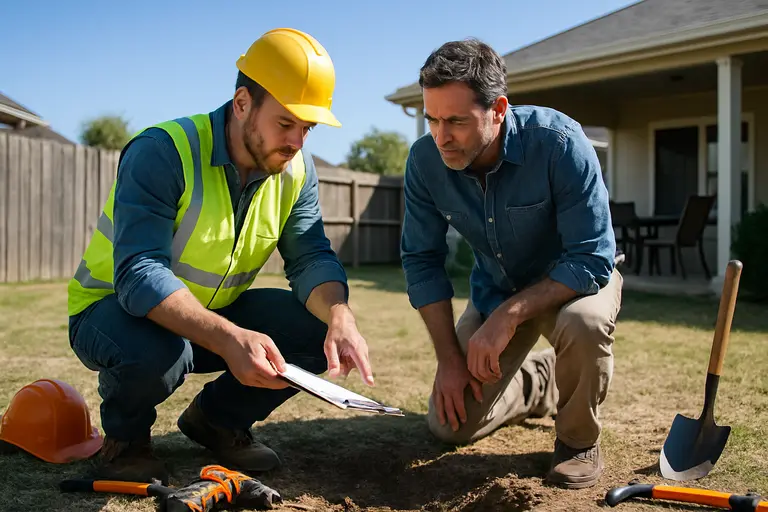
Outdoor spending competes with roof repairs, drainage work, HVAC service, insurance deductibles, and moving costs. That is why project order matters. If water pools against the foundation, deck boards are failing, steps are loose, or exterior outlets are not safe for outdoor use, those items should come before decorative upgrades.
For readers comparing outdoor project scope, backyard renovations should be weighed against both comfort and future maintenance. A smaller seating zone with safe lighting and durable surfaces may be a better homeownership decision than a larger plan funded without repair reserves.
- Set a maximum project budget before requesting estimates.
- Keep a separate reserve for urgent home repairs.
- Price delivery, disposal, permits, and site preparation, not only materials.
- Ask contractors what maintenance the finished project will require.
- Avoid work that affects electrical, gas, structural, or drainage systems without qualified help.
Tools Do Not Replace Training
Many outdoor projects look simple because they happen outside, but the risks can be real. Cutting pavers, building overhead structures, installing exterior lighting, connecting gas appliances, changing drainage, or repairing elevated decks can cause injury or property damage when done incorrectly. Homeowners can compare basic tool categories through related resources such as HighProTools, but buying a tool is not the same as being qualified for high-risk work.
The safer approach is to divide the project into low-risk owner tasks and professional tasks. Furniture selection, container planting, layout planning, and routine cleanup may be reasonable for many households. Structural work, new wiring, gas lines, major grading, retaining walls, and elevated deck repairs belong with licensed or otherwise qualified professionals where required.
Making The Backyard Retreat Practical Long Term
Design For Maintenance You Will Actually Do
A useful backyard retreat is one the household can maintain after the first month. Before committing to a design, estimate how often surfaces must be cleaned, plants watered, cushions stored, lights checked, and leaves removed. If the plan depends on weekly care that no one has time to do, the yard may become another unfinished obligation.
Durability should also be judged by local conditions. Sun, humidity, freeze-thaw cycles, wind, salt air, tree cover, and wildlife can all affect how materials perform. The research provided here supports the broad shift toward seating, lighting, gardening, and outdoor living, but it does not prove that one specific material, product, or layout is best for every home.
The strongest plan is usually phased. Start with the area closest to the house, solve safety and drainage issues first, add comfortable seating, test how the space is used, and expand only if the household keeps using it. That keeps the project tied to behavior rather than assumptions.
For owners who are preparing to move, the same caution applies. Outdoor comfort can help a home feel more livable, but major work should be balanced against the expected time in the property, cash reserves, and known repair needs. A backyard retreat works best when it supports daily life without weakening the broader homeownership budget.