Outdoor Living ROI deserves a careful read after AIA’s Q3 2026 Home Design Trends Survey, released on September 21, 2026. The survey showed stronger demand from homeowners for outdoor living areas, but demand is not the same thing as a predictable resale return. Buyers and owners should separate what makes a home more usable from what a future buyer, lender, or appraiser may recognize in value.
That distinction matters because outdoor projects can range from simple seating and lighting improvements to decks, sunrooms, kitchens, shade structures, and built-in systems. The more permanent, powered, plumbed, or structural a project becomes, the more planning, permitting, maintenance, and professional work may be involved. A feature that feels valuable to one household can be neutral to another if it adds upkeep, insurance questions, or repair risk.
What Outdoor Living ROI Can And Cannot Prove
Outdoor Living ROI Starts With Demand Signals
AIA reported that residential architects saw continued growth in demand for flexible and adaptable home accommodations, and the Q3 2026 survey showed outdoor living spaces rising by 10% compared with 2025, according to the AIA survey release. That is a useful market signal because architects are hearing from homeowners before many projects are built.
For buyers, the practical meaning is narrower than many resale claims suggest. Higher demand can make outdoor space more noticeable during a home search. It can also affect how buyers compare two otherwise similar homes. It does not prove that every dollar spent on a patio, deck, outdoor kitchen, or enclosed porch will return as a matching increase in sale price.
Demand Is Not The Same As Dollar-For-Dollar Value
That is where Outdoor Living ROI can be misleading if it is treated as one fixed percentage. A survey showing homeowner interest does not account for local climate, lot size, neighborhood norms, workmanship, maintenance condition, or how the feature was financed. A shaded seating area in a market where outdoor time is practical for much of the year may be received differently from a costly installation that sees limited use.
Buyers should also remember that appraisals and resale pricing depend on comparable sales, not only on the seller’s project cost. A homeowner may spend heavily on finishes, appliances, or custom masonry, but a future buyer may value the space mainly for comfort and usability. That gap is one reason to avoid financing a project on the assumption that the full cost will come back at resale.
What The 2026 Survey Data Says
AIA’s Architect View
The AIA survey is most useful as a design-demand indicator. It shows that outdoor living areas were among the special-function spaces gaining homeowner attention in 2026. It also fits a broader pattern of households asking for adaptable spaces that can serve more than one purpose.
From a buyer’s perspective, that makes outdoor space part of the home’s functional review. During a showing, the question should not be only whether the yard looks attractive. A better review asks whether the area can support seating, shade, safe circulation, drainage, evening use, and maintenance without creating an expensive project after closing.
Houzz’s Homeowner View
The 2026 U.S. Houzz Outdoor Trends Study surveyed 1,191 U.S. homeowners and found that 83% of renovated outdoor spaces included a lounge or seating area, while 71% included a sofa or lounge chairs, based on the Houzz outdoor trends study. That points toward comfort and everyday use rather than purely decorative yard work.
This data supports a practical planning priority: seating and usability should come before high-cost specialty features. A comfortable place to sit, adequate lighting, stable walking surfaces, and shade may matter more to a broad pool of buyers than a project designed around one owner’s cooking, entertaining, or design preferences.
How Buyers Should Read Outdoor Features
Separate Daily Use From Offer Price
Outdoor features can influence how a buyer feels about a home, but that feeling still has to fit the purchase budget. A buyer should compare the outdoor space with similar homes in the area and ask whether the feature reduces future spending or simply shifts it into maintenance. A newer deck, for example, may be more useful than a worn structure that needs inspection, repair, or replacement soon after closing.
Outdoor space also affects ownership costs. Built-in lighting, appliances, irrigation, heaters, water features, and covered structures can create repair obligations. Some systems may require seasonal service. If the home is being purchased with a tight monthly budget, those added obligations should be weighed before increasing an offer price for the feature.
Watch Scope, Maintenance, And Safety
Buyers should look for signs that outdoor improvements were properly planned and maintained. Uneven surfaces, poor drainage, loose railings, questionable wiring, unvented cooking areas, unstable shade structures, or visible water damage deserve caution. These are not cosmetic concerns if they point to safety or repair issues.
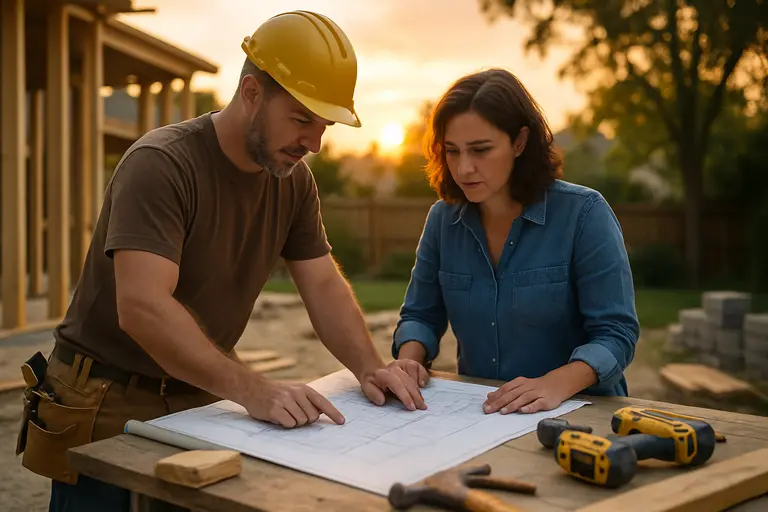
A home inspection can help identify visible concerns, but specialized systems may need qualified contractors. Gas lines, electrical circuits, structural framing, elevated decks, plumbing, and permanent roof or shade additions should not be treated as casual weekend fixes. For those interested in exploring tools and project setup further, HighProTools provides relevant information within this network. However, high-risk work involving gas, electrical, plumbing, structural, or elevated features should always be assigned to qualified professionals.
Project Choices That Keep Risk In Check
Plan Comfort Before Premium Features
For owners planning improvements before selling, the safer strategy is to focus first on broad usability. Seating zones, shade, lighting, drainage, and clean walking surfaces can help a space function without forcing a buyer to share the seller’s exact taste. A related discussion of outdoor comfort trends also points to comfort, safety, and local resale signals as better starting points than design hype.
Premium features need a higher bar. Outdoor kitchens, elaborate masonry, custom fireplaces, and integrated entertainment systems can be appealing, but they may narrow the buyer pool if they are expensive to maintain or out of step with the neighborhood. The planning question should be whether the feature solves a common buyer need or mainly reflects one household’s habits.
Use Pros For High-Risk Systems
Outdoor improvements often cross into work that should be reviewed by qualified professionals. The risk is not only personal injury during construction. Improper drainage can direct water toward the home. Electrical work exposed to weather can create shock or fire hazards. Structural mistakes in decks, stairs, or shade systems can create fall risks. Gas or plumbing work can create hazards that are not obvious during a casual walk-through.
- Ask whether permits were required and whether documentation is available.
- Look for stable walking surfaces, secure railings, adequate drainage, and safe lighting.
- Budget for maintenance instead of treating the outdoor feature as cost-free after closing.
- Use qualified pros for gas, electrical, plumbing, structural, and elevated work.
These checks do not predict resale value by themselves, but they reduce the chance that a desirable outdoor area becomes an unexpected repair expense.
Outdoor Living ROI Planning For A Safer Project
A careful Outdoor Living ROI review should start with how the space will be used, then test whether the cost and risk fit the property. AIA’s 2026 survey data showed stronger homeowner demand, and Houzz’s 2026 study showed that renovated outdoor areas often center on seating and lounge use. Those are useful signals, not resale promises.
For buyers, the best question is whether the outdoor area is safe, functional, maintainable, and consistent with the rest of the home. For owners, the better project is usually the one that improves daily use without overbuilding for the neighborhood or depending on an uncertain future sale price. Treat outdoor space as part of the full ownership budget, not a shortcut to automatic value.