Buying a home is exciting, but it’s easy to miss important steps. The 2024 Millennial Home Buyer Report by Real Estate Witch shows a shocking 90% of millennials regret their first home purchase. Skipping pre-approval is a big homebuying mistake.
Pre-approval is not just a formality. It’s a key step that can save you from financial and emotional troubles. Knowing your budget and getting pre-approved helps you avoid falling in love with a home that’s too expensive.
* Skipping pre-approval can lead to costly homebuying mistakes
* Understanding your budget is key to a successful homebuying experience
Skipping Pre-Approval
When you start looking for a home, getting pre-approved is often missed. Rachel Stringer, a real estate agent in North Carolina, says, “You won’t know what you can afford without a pre-approval letter.” This shows how important pre-approval is for setting a budget and showing sellers you’re serious.
The Importance of Pre-Approval
Pre-approval is more than a formality; it’s key. It helps you know how much you can spend. Without it, you might find your dream home but realize you can’t afford it. Plus, it makes you stand out in a competitive market, showing sellers you’re ready to buy.
Understanding Your Budget
To get pre-approved, you need to work with a lender. They’ll check your income, credit, and debt to see how much you can borrow. This not only shows your budget but also points out ways to improve, like paying off debt or boosting your credit score.
| Pre-Approval Process | Benefits |
|---|---|
| Review of income, credit, and debt | Clear understanding of budget |
| Determination of borrowing capacity | Competitive edge in the market |
| Identification of areas for financial improvement | Enhanced purchasing power |
Understanding pre-approval’s importance helps first-time buyers feel more confident. As a first home buyer tip, getting pre-approved is a must for a smooth home buying journey.
Overstretching the Budget
Buying a home can be exciting, but it’s important to remember the financial side. First-time buyers often focus on the down payment and mortgage. They forget about other costs that come with owning a home.
Real Estate Witch found that homeowners spend about $17,500 a year on taxes, insurance, maintenance, and repairs. This big expense is often overlooked by first-time buyers. It can lead to financial trouble.
Additional Costs to Consider
There are additional costs to think about beyond the down payment. These include property taxes, which change based on where you live, and homeowner association fees. These fees can add up fast.
- Property taxes: These can be a big yearly expense and change based on where you live.
- Homeowner association fees: These fees cover maintenance and amenities but increase your costs.
- Maintenance and repairs: Regular upkeep and unexpected repairs can be tough on your budget.
- Insurance: Homeowners insurance is key and can change based on your location and home’s value.
To avoid money troubles, it’s key to make a comprehensive budget that includes all these costs. This way, buyers can make sure they’re ready for the full cost of owning a home, not just the price they pay for it.

By understanding and planning for these extra expenses, buyers can steer clear of a common homebuying mistake. This helps them have a more stable financial future.
Ignoring the Neighborhood
When you’re buying a home, it’s easy to focus on the house itself. But ignoring the neighborhood can be a big mistake. The area around your home can greatly affect your life and the home’s value.
Researching the Local Area
It’s important to research the local area well. Real estate agent Rosemary De la Rosa says, “We usually visit a home during the day and again at night.” This helps buyers see the house and neighborhood in a new light.
Here are some key aspects to consider when researching the local area:
- Local schools and their reputation
- Nearby amenities such as parks, grocery stores, and restaurants
- Public transportation options
- Community dynamics and safety
Understanding the Community
Knowing the community is key to finding the right neighborhood. Visit the area at different times to get a feel for it. Is it noisy? Is it lively or peaceful?
It’s not just about the house; it’s about the community you’ll be living in. By doing your homework, you can avoid problems and find a home that suits you.
- The local crime rate and safety measures in place
- Environmental concerns such as flood zones or nearby industrial areas
- Future development plans that could impact property values
By researching and understanding the neighborhood, you can make a better choice. This careful approach is one of the best first home buyer tips to avoid costly mistakes.
Rushing the Process
In the fast-paced world of real estate, patience is key. It can save first-time homebuyers from big mistakes. The pressure to make a quick decision can be too much, but rushing into a home purchase can lead to costly mistakes and regret.
Tim Choate, founder and CEO of RedAwning.com, says, “Don’t feel pressured to rush into a decision. The right home is worth the wait.” This is important for first-time homebuyers who might feel the need to act fast. Instead, they should take their time to research and compare properties, thinking about their long-term needs.
The Importance of Patience
Patience helps homebuyers make informed decisions, avoiding stress and financial problems that come with rushing. Here are some key benefits of taking your time during the homebuying process:
- Thorough Research: Patience allows buyers to research well, understanding the market and making smart choices.
- Avoiding Regret: Rushing can lead to regret. Taking time helps buyers pick a home that fits their needs and budget.
- Better Negotiation: Patient buyers can get better deals, as they’re not rushed to make a decision.
To show why patience is important, look at this table comparing rushed versus patient homebuying decisions:
| Aspect | Rushed Decision | Patient Decision |
|---|---|---|
| Research | Limited | Thorough |
| Financial Impact | Potential for overpaying | Better budgeting |
| Regret | Higher likelihood | Lower likelihood |
For more insights on common homebuying mistakes, visit SD Housing. Learn from experts and get valuable first home buyer tips.
Not Using an Agent
Many first-time homebuyers skip using a real estate agent. The homebuying journey is full of traps for the unprepared. An agent can help avoid these problems.
The Benefits of Working with an Agent
Real estate agents are full of knowledge and experience. They help buyers avoid expensive errors. They know the local market well, negotiate for you, and help close the deal. Agents also have access to many listings, including hidden ones, giving buyers an advantage.
First-time buyers gain a lot from an agent’s help. Agents offer expert advice and emotional support during the stressful buying process. As mentioned, “Working with a housing counselor or taking a homebuyer education course can provide valuable guidance and support throughout the homebuying process.” These resources help, but an agent is essential for a smooth transaction.
| Aspect | With an Agent | Without an Agent |
|---|---|---|
| Market Knowledge | Access to detailed market data | Little understanding of market trends |
| Negotiation Skills | Professional negotiation for the buyer | Buyer negotiates alone |
| Access to Listings | Includes hidden listings | Limited to public listings |
Choosing to go it alone versus working with a pro makes a big difference. An agent helps buyers steer clear of common pitfalls, making the buying process easier.
Inspection Errors
First-time homebuyers might think skipping a home inspection helps their offer. But, it’s a risk that could lead to expensive fixes later. As reported, not getting a home inspection can mean unexpected costs after you buy the house.
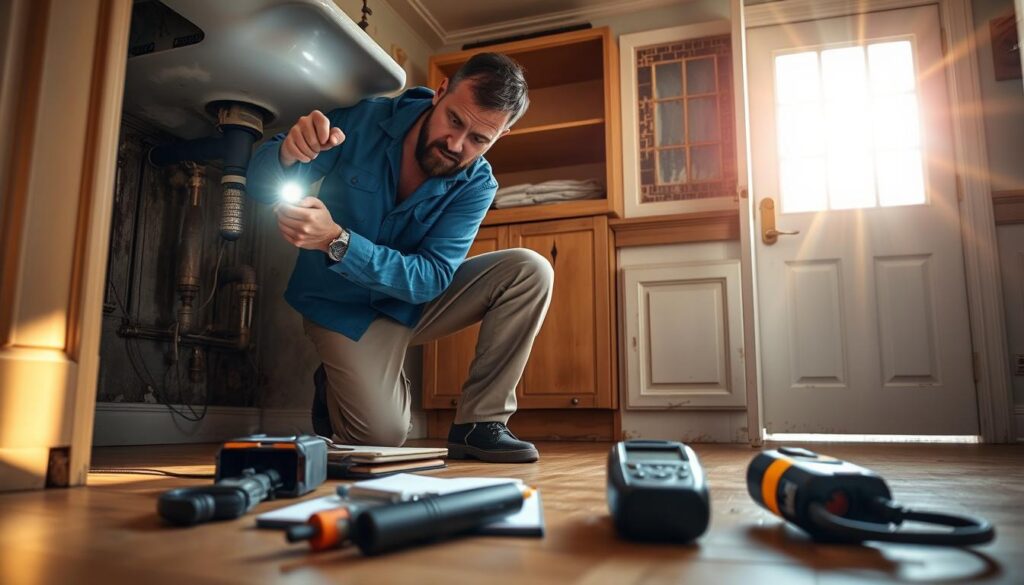
Choosing a trusted home inspector can make all the difference. A detailed home inspection can spot problems like structural damage or old electrical systems. This lets buyers ask the seller to fix these issues or lower the price.
Key Benefits of Home Inspections
- Identify Possible Issues: A home inspection can find hidden problems, like termite damage or leaky roofs.
- Negotiating Power: With the inspection report, buyers can talk to the seller about fixing problems or getting a credit for closing costs.
- Avoid Costly Surprises: Finding problems early means avoiding the shock of big issues after you move in.
To steer clear of inspection mistakes, buyers should make home inspections a must in the buying process. This way, their dream home won’t become a financial headache.
Closing Day Mishaps
As you near the end of buying your home, focus on the final steps. Closing day mishaps can be avoided with good preparation. This ensures a smooth transition to being a homeowner.
Preparing for the Big Day
Understanding the closing process is key to avoiding surprises. Carefully review and sign documents. Also, be ready to transfer funds as needed.
As a first-time homebuyer, knowing your responsibilities is important. This includes maintenance and repairs. Plan ahead and budget for these to avoid financial stress in your new home.
Understanding the Closing Process
To have a smooth closing, stay informed and ask questions if needed. This includes reviewing the settlement statement and understanding the title transfer. Be ready for any unexpected issues.
By following these tips and focusing on the closing process, you can confidently complete your home purchase. Then, you can start enjoying your new home.