
Small-scale tools can make routine home projects less dependent on contractor availability, but they are not automatically a savings tool. For a homeowner, the better question is not whether a tool looks useful. It is whether the tool matches a real project, a safe skill level, and a repair budget that already has pressure from maintenance, insurance, utilities, and other ownership costs.
That caution matters because home improvement spending has been elevated. Harvard’s Joint Center for Housing Studies reported that, in 2023, the typical DIY project cost about $2,600, while comparable professional projects averaged about $7,800. The same report put average improvement spending at $4,700 per property and maintenance spending at $1,200 per homeowner in 2023 Harvard housing report. Those figures do not prove that every DIY purchase saves money, but they do show why homeowners are paying closer attention to which jobs they can handle safely.
Why Tool Buying Belongs In The Home Budget
Tools are often treated as one-time purchases, but they behave more like a small capital expense. A drill, sander, saw, paint equipment, garden tool, or measuring device may sit unused for months. If it solves repeated needs, the cost can be reasonable. If it is bought for one narrow task, renting, borrowing, or hiring out the job may be more practical.
Repair and remodeling cost pressure also changes the decision. Verisk reported that repair and remodeling costs rose 2.54% year over year in Q1 2026, reaching new decade highs while running slightly below overall inflation Verisk repair cost index. Higher project costs can make owners more interested in doing minor work themselves, yet rising material prices can also reduce the savings from a poorly planned DIY attempt.
Budget Pressure Does Not Make Every Job DIY-Friendly
A safer budget view separates simple maintenance from high-risk work. Painting a room, assembling storage, tightening loose hardware, light yard cleanup, or replacing a worn door sweep is different from roofing, HVAC, window installation, structural work, major plumbing, electrical service work, or gas-related tasks. The first group may fit ordinary homeowner skills when the person follows product instructions and uses protective equipment. The second group often calls for licensed or qualified professionals because errors can create safety, code, insurance, or property damage problems.
Homeowners comparing living costs across primary homes, second homes, or short-stay property use may also want to think about how often a property will need hands-on upkeep. A valuable source within the network, such as Weekender Villas, can help readers consider how changing property use patterns affect maintenance schedules.
Small-Scale Tools Start With Frequency And Risk
The first buying filter is frequency. If a homeowner expects to use a tool several times a year for maintenance, small repairs, or basic improvements, ownership may be easier to justify. If the tool is needed once for a specialty task, the purchase should face a higher test. Storage space, batteries, accessories, replacement blades, maintenance, and safe operation all add to the real cost.
Small-Scale Tools And Frequency
Small-scale tools make the most sense when they support recurring, low-risk jobs. A homeowner who paints several rooms over time may reasonably own painting equipment. Someone who routinely handles light landscaping may benefit from basic outdoor tools. A buyer who plans to hang shelves, repair trim, adjust doors, or handle small assembly tasks may use measuring and fastening tools often enough to justify the purchase.
The same logic works in reverse. A single tile repair, a one-time concrete cut, or a specialty flooring task may not justify buying a tool that requires practice, consumables, dust control, and careful handling. The cost of mistakes can exceed the cost of the tool itself, especially if finished surfaces are damaged or a contractor must later correct the work.
| Decision Factor | Practical Question | Safer Buying Signal |
|---|---|---|
| Frequency | Will this be used more than once? | Repeated maintenance or repair need |
| Skill | Can the homeowner use it safely? | Low-risk task with clear instructions |
| Scope | Is the work cosmetic or system-related? | Cosmetic or minor non-structural work |
| Total Cost | Are accessories and storage included? | Full cost fits the repair budget |
| Risk | Could an error create damage or injury? | Low consequence if corrected early |
Match Purchases To Real Projects, Not Aspirations
A common buying mistake is building a tool collection for imagined projects rather than planned work. Homeowners should start with a written list of repairs they expect to complete in the next six to twelve months. That list should identify the room or area, the purpose of the repair, whether permits or trade skills may be involved, and which tools are already owned.
This approach keeps the purchase tied to need. It also prevents a tool budget from competing with emergency reserves. A homeowner who spends heavily on equipment before addressing a leak, unsafe handrail, damaged exterior opening, or failing mechanical system may be improving convenience while leaving the higher-priority problem unresolved.
Separate Starter Tools From Specialty Tools
Starter tools support common tasks and tend to have broad use. Measuring tools, basic hand tools, fastening tools, painting supplies, safe work supports for ground-level tasks, and personal protective equipment usually serve multiple projects. Specialty tools have narrower use and may demand more training or create more risk. Cutting, grinding, heavy demolition, roof access, electrical testing, plumbing equipment, or HVAC-related tools should be evaluated with extra caution.
For a project-planning angle that stays close to scope, safety, and frequency, this related article on renovation tools for small-scale projects may help homeowners compare buying, renting, and hiring decisions before spending.
- Buy when the task is recurring, low-risk, and clearly within the homeowner’s ability.
- Rent or borrow when the tool is expensive, bulky, or needed for one short project.
- Hire a qualified pro when the work affects structure, roofing, HVAC, electrical, gas, major plumbing, or code-controlled systems.
- Delay the purchase when the project is not scheduled, the scope is unclear, or the repair reserve is already thin.
Know When A Professional Is The Safer Choice
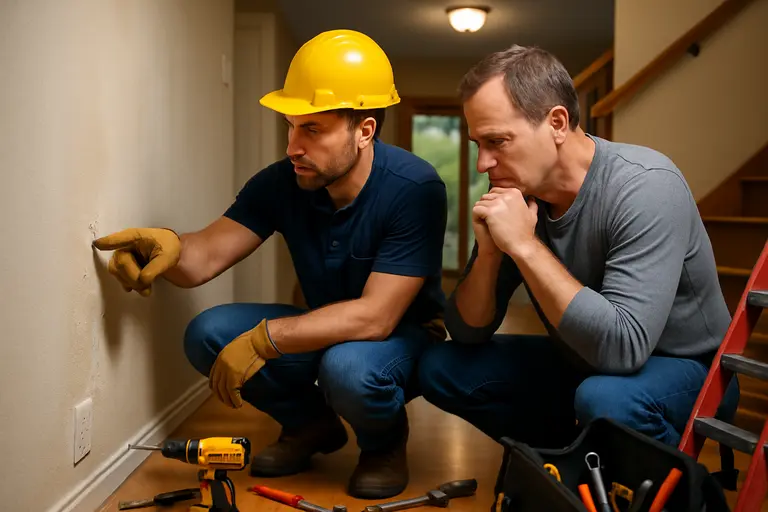
Professional labor costs can be frustrating, but the Harvard report’s spending data also shows that major work is still heavily professionalized. Roofing, windows, and HVAC accounted for 49% of improvement expenditures in 2023, and those categories often involve specialized tools, installation standards, safety hazards, and manufacturer requirements. The report also showed DIY’s share of aggregate improvement spending at about 13%, while professional installations accounted for about 84%.
That split is useful context. Homeowners may be able to reduce repeat costs on smaller projects, but they should not treat tool ownership as a substitute for trade qualification. A saw does not make someone a carpenter. A voltage tester does not make someone an electrician. A ladder does not make roof work safe. A cautious homeowner should use tools to handle appropriate tasks, not to push into work where injury, fire, water damage, carbon monoxide exposure, or structural failure could result.
Risk Should Outrank Pride
Many small projects are satisfying because the feedback is visible and the stakes are limited. Paint coverage, caulk lines, cabinet hardware, closet storage, and light exterior cleanup can be corrected if the result is imperfect. Work behind walls, above grade, under pressure, or tied to critical systems is less forgiving. If a job requires permits, specialized diagnosis, heavy lifting, roof access, live electrical components, gas lines, refrigerants, or structural changes, the tool decision should shift toward hiring the right professional.
Buyers should also think about resale and documentation. Work that affects major systems may matter later during inspections, insurance reviews, or buyer negotiations. Saving money on the front end can become expensive if undocumented or poorly executed work causes concern during a future sale.
A Safer Plan For Small-Scale Tools
A practical plan for small-scale tools starts with the home, not the store aisle. List the next few real projects, rank them by safety and urgency, separate cosmetic work from system work, and decide which tasks truly fit your skills. Then compare buying with renting, borrowing, or hiring. The best purchase is not the most powerful option; it is the one that solves repeated, appropriate tasks without draining money from higher-priority repairs.
Homeowners should also leave room for mistakes and consumables. Sandpaper, blades, brushes, batteries, drop cloths, masks, hearing protection, fasteners, and disposal needs can change the total cost. If the full project cost is still reasonable and the risk is low, tool ownership may support better maintenance habits. If the numbers are close or the work is hazardous, a professional estimate can be the safer benchmark.
Small-scale tools are most valuable when they help homeowners keep up with ordinary maintenance in a controlled way. They should reduce friction, not encourage unsafe work. In a period of higher repair and remodeling costs, disciplined tool buying can protect the household budget, but only when frequency, skill, safety, and project scope are weighed before the purchase.